

Are you trying to spend less on groceries this month? Maybe your pantry shelves are packed with half-used boxes, canned goods, pasta, rice, baking supplies, or random ingredients you bought on sale. Or perhaps your freezer is so full that you are not even sure what is hiding in the back. If that sounds familiar, a pantry challenge can be a simple and practical way to save money, reduce waste, and make meals from food you already own.
A pantry challenge is exactly what it sounds like: you challenge yourself to cook from your pantry, freezer, and refrigerator before buying more groceries. It can be a short one-week reset, a two-week grocery budget break, or a longer challenge depending on your household and how much food you have on hand.
Your pantry and freezer may be full of easy meal ideas you have forgotten about. With a little planning, those ingredients can turn into breakfasts, lunches, dinners, snacks, and side dishes without requiring a huge grocery trip.
The best part about doing a “cook from the pantry” challenge is that you can make it fit your life. If you are doing a no-spend challenge, you might decide not to go to the grocery store at all for a week or two. You simply eat what you already have and get creative with your meals.
Another option is to use pantry and freezer ingredients as the foundation for your meals, then buy only a few fresh items such as milk, eggs, produce, or meat. You could set a small grocery budget, such as $20 to $25 for the week, and challenge yourself to stay within that amount.
There is no one right way to organize a pantry challenge. The goal is to spend less, use what you have, and become more intentional with your grocery shopping.
You May Also Like:
- 5 Ways To Save Money on Groceries Without Using Coupons
- 70 Best Things to Buy at Aldi
- How To Save Tons of Money on Groceries By Using a Foodsaver
- The Quickest & Easiest Way to Create a Grocery Budget and Stick to It
- How Does Ibotta Work? A Review and Tutorial of My Favorite Cash Back App
This post may contain affiliate links. You can view my full disclosure policy here.
How to Save Money This Month by Doing a Pantry Challenge
Before you begin, it helps to understand why a pantry challenge is so effective. Cooking with what you already have can do much more than lower your grocery bill. It can also make your kitchen feel more organized, help you avoid food waste, and inspire new meal ideas.
10 Advantages of Doing a Pantry Challenge
1. You’ll have a chance to be creative
If you feel stuck making the same meals every week, a pantry challenge can push you to think differently. Instead of starting with a recipe and buying every ingredient, you start with what you already own and build meals around it.
A bottle of sauce, a bag of rice, leftover pasta, frozen vegetables, or a few packets of soy sauce might become the beginning of a quick dinner. You may even try meals you would not normally plan, such as breakfast for dinner, a soup made from pantry staples, or a simple casserole using odds and ends.
Being flexible with your meals can help you discover combinations your family actually loves.
2. You can discover new recipes
A pantry challenge is a great time to look for recipes based on the ingredients you already have. Instead of letting a random can of beans, box of pasta, or bag of frozen vegetables sit unused, you can search for ways to turn those items into complete meals.
One helpful resource is Supercook. You enter the ingredients you have, and it suggests recipes that use them.
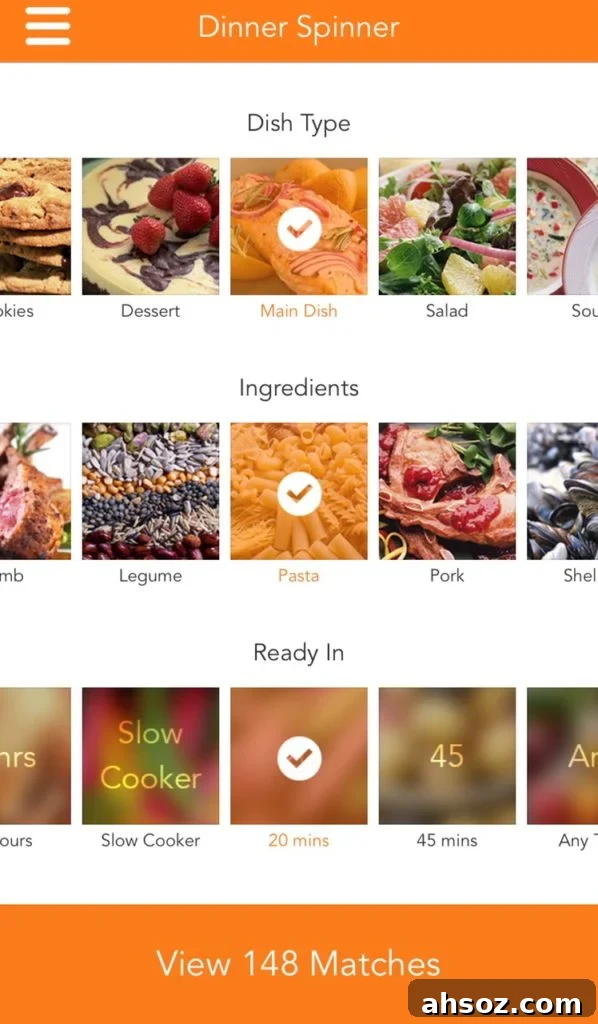
Another useful option is the Dinner Spinner app from All Recipes. You can choose the type of dish you want, the main ingredient you have, and how quickly you need it ready. This can make it easier to find fast, realistic meals on busy nights.
For example, choosing a main dish, pasta, and a short cooking time can give you plenty of ideas for an easy dinner without an extra trip to the store.
3. Reduce clutter
One of the biggest benefits of cooking from your pantry is that it naturally helps you declutter your kitchen. As you use up older ingredients, open packages, freezer items, and canned goods, your shelves and freezer drawers become easier to manage.
By the end of the challenge, you may have fewer random items taking up space and a much better idea of what you actually need to restock.
4. Less waste
Food waste can quietly drain your grocery budget. It is frustrating to throw away expired pantry items, freezer-burned food, or ingredients you bought with good intentions but never used.
Doing a pantry challenge a few times a year gives you a chance to use food before it goes bad. You can prioritize items that are close to their expiration date and make sure the money you already spent does not end up in the trash.
5. Be more mindful of what you buy
When you take inventory of your pantry, you may notice patterns. Maybe you always buy canned vegetables but rarely use them. Maybe you have several boxes of pasta, multiple bags of rice, or baking ingredients you forgot you had.
This information is valuable because it shows you what not to buy in the future. A sale is only a good deal if the food is something your household will actually eat.
6. Cut down on impulse purchases
Grocery stores make it very easy to buy more than you planned. Even with a list, it is common to add snacks, sale items, seasonal foods, or convenience products to your cart.
A pantry challenge helps reduce impulse buying because you spend less time in the store. When you “shop” your pantry first, you are less likely to buy duplicates or extras you do not need.
7. Save time
Grocery shopping can take a surprising amount of time. You have to make a list, drive to the store, walk the aisles, wait in line, load the car, drive home, unload everything, and put it all away.
Using food you already have can give you back a few hours during the week. Instead of making a large grocery trip, you can plan simple pantry meals and spend that time doing something more relaxing or productive.

8. Learn how to make do or go without
A pantry challenge is also a good exercise in contentment and resourcefulness. Instead of running to the store for every missing ingredient, you learn to substitute, simplify, or change the plan.
There is a well-known Depression era saying that fits this idea perfectly:
“Use it up, wear it out, make it do, or do without.”
A little thriftiness can be helpful, especially when you are trying to save money or reset your grocery spending habits.
9. Discover old favorites
While sorting through your pantry and freezer, you may come across ingredients for meals you used to make all the time. Maybe you forgot about a favorite soup, casserole, pasta dish, slow cooker meal, or simple side dish.
A pantry challenge can bring those old favorites back into your meal rotation and make future meal planning easier.
10. Save money
The most obvious reason to do a pantry challenge is to save money on groceries. If you normally spend $100 each week but can skip a grocery trip or reduce it significantly, that money can go toward something more important.
You could add the savings to your emergency fund, use it for holiday expenses, put it toward a bill, or simply give your monthly budget some breathing room.
Even small savings add up. If you do a pantry challenge several times a year and spend much less than usual during those weeks, you can keep a meaningful amount of money in your budget.

How to get started with a pantry challenge
Now that you know the benefits of a pantry challenge, here is how to begin. A little organization before you start will make the entire process much easier.
Take inventory
The first step is to find out exactly what you have. Look through your pantry, freezer, refrigerator, cabinets, and any extra food storage areas. Write down the ingredients you can use for meals, snacks, and side dishes.
Making a list helps you avoid digging through the pantry every night before dinner. It also makes meal planning much easier because you can see your options at a glance.
Toss & tidy
As you take inventory, get rid of anything that is unusable, very expired, or something your household will realistically never eat. There is no benefit in keeping food that cannot be used.
This is also a great time to organize your pantry and freezer. Group similar items together, turn labels forward, and place older items where you will see them first.
If needed, wipe down shelves, containers, and packages before putting everything back. A clean, organized pantry makes it much more enjoyable to cook from what you have.
Make a list of meal ideas
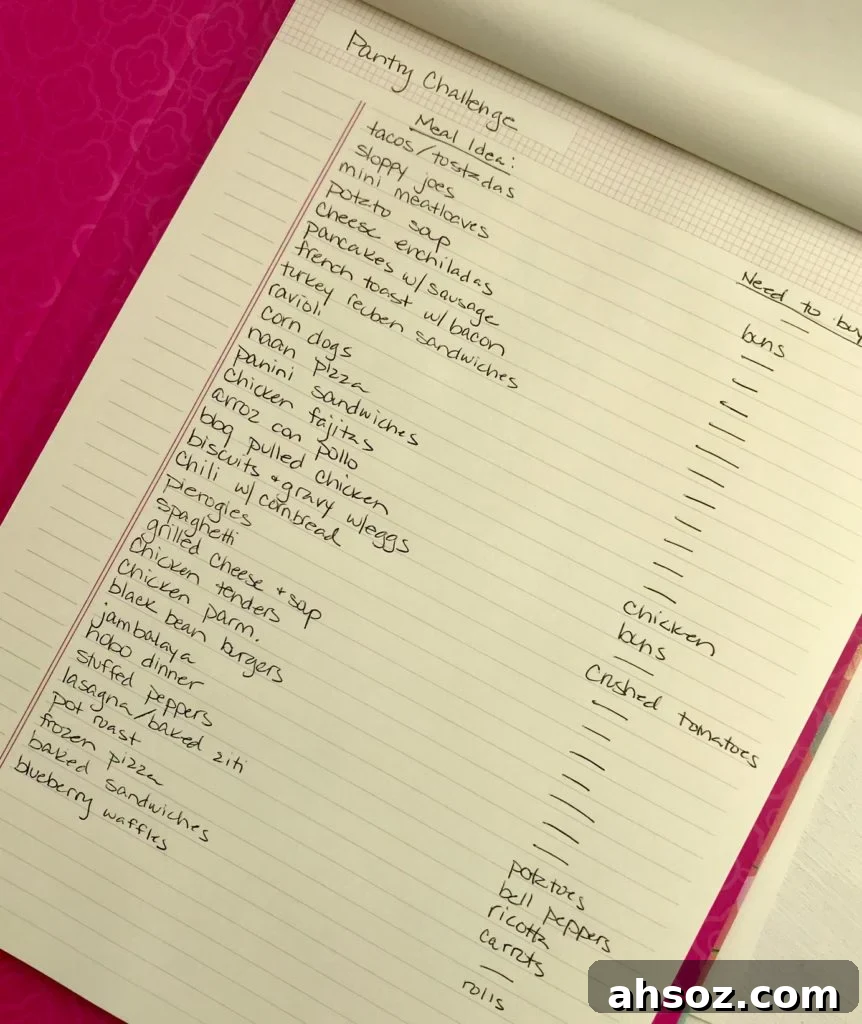
Once you know what ingredients are available, start writing down possible meals. Create one column for meal ideas and another column for anything you may need to buy to complete each meal.
For example, you might have pasta, sauce, rice, canned beans, frozen vegetables, broth, tortillas, baking mixes, or meat in the freezer. Each of those items can become the starting point for a meal. If you only need one or two small ingredients to finish a recipe, you can add them to a short grocery list.
A pantry challenge does not have to be all or nothing. If buying a small amount of fresh produce, dairy, or meat makes the challenge realistic for your family, that is still a success. You are still using pantry staples, reducing waste, and spending less than you normally would.
Tip: I always buy meat at its lowest price and use my Foodsaver to preserve it in my freezer without freezer burn. You can read my Foodsaver review and tutorial here.
Once you have taken inventory, cleaned up your storage areas, and written down meal ideas, you are ready to begin. By the end of your pantry challenge, you may have a tidier kitchen, fewer wasted ingredients, more creative meal ideas, and extra money left in your grocery budget.
You can do it!
Tools that help save me time and money in the kitchen:
- Foodsaver
- Crock Pot
- Egg Cooker
Meal planning posts to get you started:
- 10 Easy and Cheap Meals Anyone Can Make
- 5 Easy Meal Planning Strategies for Beginners
- How to Get Started Meal Planning: 10 Super Easy Tricks