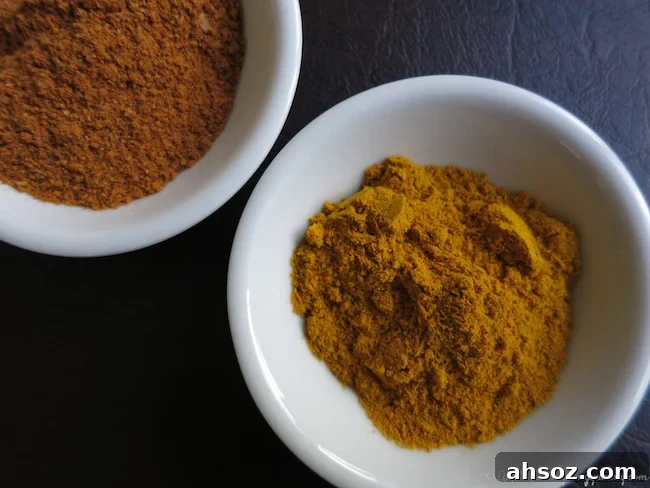
January Ingredient: Ras El Hanout
To begin the year with bold flavor, ras el hanout is a fitting choice. The name is often translated as “top of the shop,” a phrase that reflects the idea of using the best spices a merchant has to offer. Pronounced rahs-el-hanoot, this fragrant Moroccan spice blend is widely associated with North African cooking and is often described as Morocco’s signature seasoning. In Mourad: New Moroccan, chef Mourad Lahlou, owner of the Michelin-starred Aziza restaurant in San Francisco, calls ras el hanout Morocco’s “national spice blend.”
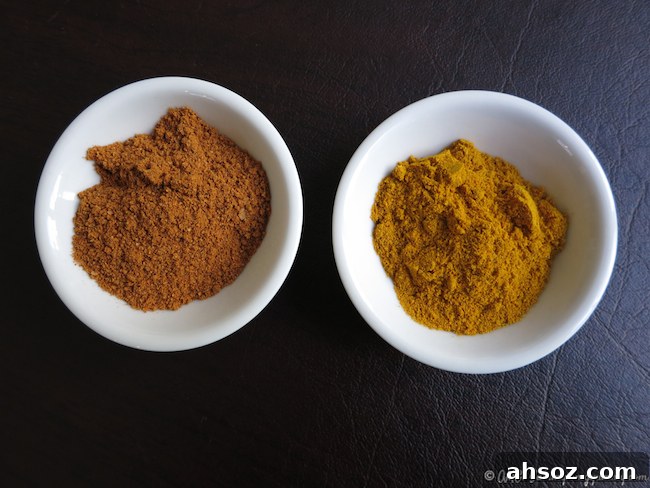
Ras el hanout is both warm and complex, with sweet, earthy, floral, and peppery notes. There is no single official recipe, and that is part of its appeal. Each spice merchant, cook, or household may have a slightly different version. Some blends are simple, while others may include dozens of ingredients. Traditional versions can contain a remarkable range of spices, though the foundation often includes cumin, coriander, turmeric, ginger, cardamom, and nutmeg.
Other ingredients sometimes found in ras el hanout include dried rosebuds, mace, cloves, allspice, cinnamon, black peppercorns, and cubeb pepper. The result is a spice blend that can add depth and character to a dish without requiring the cook to measure many individual seasonings. Lahlou notes that ras el hanout allows cooks to build flavor with one carefully balanced blend rather than relying on a very large spice pantry. His own version in Mourad: New Moroccan contains more than 20 ingredients.
Ras el hanout also reflects the multicultural food history of Jerusalem. In Jerusalem: A Cookbook, Yotam Ottolenghi and Sami Tamimi explain that the spice blend arrived in Jerusalem through North African Jewish communities. Like many ingredients used in Jerusalem cooking, it carries a story of migration, memory, and shared culinary traditions.
 In Morocco, Lahlou writes, ras el hanout is traditionally used in slow-cooked, saucy dishes. It is especially well suited to stews, braises, and tagines, where the spices have time to bloom and blend with meat, vegetables, broth, or dried fruit. He also suggests using it beyond the traditional approach: as a dry rub for poultry or steak, stirred into rice at the start of cooking, or mixed into yogurt dips for flatbread and vegetables.
The blend can even be used in sweet preparations. Lahlou suggests steeping a small amount in heavy cream, straining it, chilling it, adding sugar, and whipping it before serving with chocolate desserts. Used carefully, the spice brings warmth and intrigue without overwhelming the dish.
Chef and author Marcus Samuelsson also celebrates ras el hanout in The Soul of a New Cuisine. He describes the blend as “the embodiment of North African cuisine,” and his version includes cinnamon, turmeric, black pepper, nutmeg, cardamom, and cloves. These ingredients highlight the balance that makes ras el hanout so useful: warm spice, gentle heat, fragrance, and depth.
Because ras el hanout can be intense, a little goes a long way. Start with less than you think you need, taste as you cook, and add more only if the dish needs it. The goal is to enhance the food, not cover it. This is especially important if you are using a blend for the first time, since every version will taste slightly different.
If you want to make ras el hanout at home, you can use recipes from trusted cookbooks such as Lahlou’s Mourad: New Moroccan, Paula Wolfert’s The Food of Morocco, or Samuelsson’s The Soul of a New Cuisine. You can also buy the blend from specialty grocers, Middle Eastern markets, North African shops, or well-stocked spice retailers. When purchasing, look for a fresh, aromatic blend with a balanced scent rather than one that smells flat or dusty.
January Ras El Hanout Recipes Include:
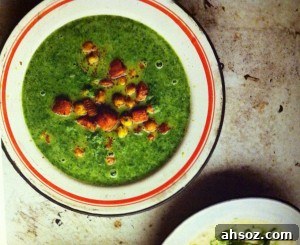
Watercress and chickpea soup with rose water and ras el hanout, pages 132-133: This is the only recipe in Jerusalem: A Cookbook that specifically calls for ras el hanout. Ottolenghi and Tamimi recommend making sure your blend includes cinnamon for this soup. If your spice mix does not already contain it, add a little cinnamon to bring out the warmth and sweetness the recipe needs.
This soup is a strong example of how ras el hanout can transform simple ingredients. Chickpeas provide body, watercress adds a peppery green note, rose water contributes fragrance, and the spice blend ties everything together with warmth and complexity.
A few more tempting ways to use this top-shelf Moroccan spice blend include chicken with figs, couscous dishes, Moroccan chicken with olives and preserved lemons, lamb kebabs, hummus, grilled pita, and Israeli couscous. Ras el hanout is especially good with poultry, lamb, legumes, roasted vegetables, grains, and creamy yogurt-based sauces.
If you are new to cooking with ras el hanout, try it first in a dish that has enough moisture or fat to carry the spices. Soups, stews, braises, and roasted vegetables are all forgiving options. You can also sprinkle a small amount over cooked couscous, rice, or chickpeas for an easy introduction to its flavor.
Here are our group guidelines. The spirit of the group is simple: cook, taste, learn, and share your experience.
Group Guidelines:
- How often will we cook: We will choose a new set of recipes each month. This gives everyone time to plan, shop for ingredients, and cook when it fits their schedule.
- Do I need to cook all the recipes? No. Several options are offered so you can choose what works for your tastes, menu, and available time. Cook one recipe or several.
- What do I need to participate? You need a copy of Jerusalem: A Cookbook, curiosity about Middle Eastern flavors, and a willingness to try ingredients that may be new to you.
- How can I share what I cook? Tasting Jerusalem is open to anyone. You do not need to be a blogger, chef, or food professional. If you take photos, share them with the group using the hashtag #TastingJrslm.
- What recipes can be published? Because the goal is to cook from the book rather than reproduce it online, please do not publish full cookbook recipes unless permission has been granted. If you significantly adapt a recipe, credit the original source clearly.
- What if I have questions? Ask the group. Part of the fun is learning from one another, exchanging tips, and comparing results in real kitchens.
- What should I include if I write about the experience? Mention that Tasting Jerusalem is a virtual cooking community exploring the vibrant flavors and cuisine of the Middle East through Jerusalem: A Cookbook by Ottolenghi and Tamimi, published by Ten Speed Press.
“Tasting Jerusalem is a virtual cooking community exploring the vibrant flavors and cuisine of the Middle East through the lens of Jerusalem: A Cookbook by Ottolenghi and Tamimi, published by Ten Speed Press. Follow along, cook with us, and share your dishes using the hashtag #TastingJrslm.”