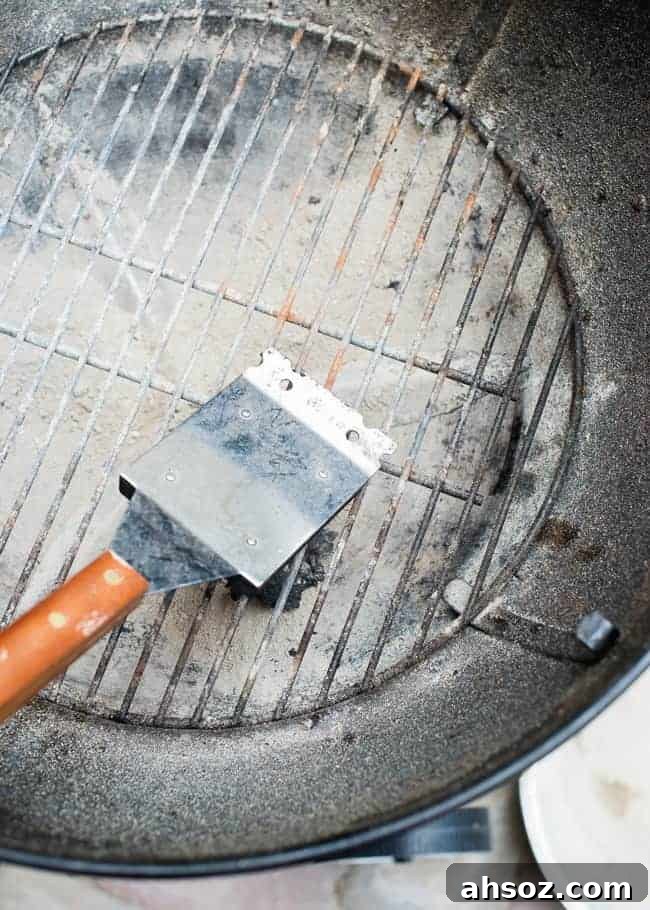
We grill all year whenever the weather allows, but once the warmer months arrive, our grill gets used much more often. Whether it is a quick weeknight dinner or a weekend cookout, a clean grill makes the whole process easier, safer, and more enjoyable. Few things are more frustrating than preparing food, lifting the lid, and finding the grates covered with a dark, sticky layer of burnt grease and cooked-on residue.
Regular grill cleaning does not have to be complicated or time-consuming. A few simple habits before and after cooking can keep your grill in great condition for many seasons. Clean grates also help prevent food from sticking, reduce unpleasant smoke, and lower the chance of flare-ups caused by old grease and debris. Best of all, you can clean your grill effectively without relying on harsh or questionable chemical cleaners.
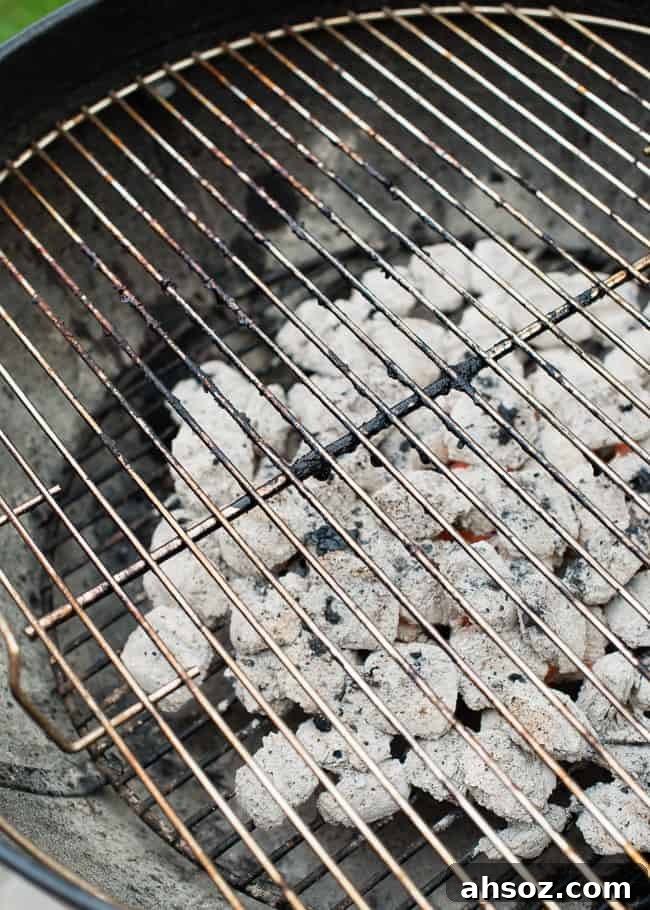 We use a charcoal grill, but these grill cleaning tips can be used for most types of grills, including gas grills and small portable grills used over a campfire. The exact parts may differ, but the basic cleaning method is the same: remove food residue, break down grease, scrub the grates, and keep the inside of the grill free from excess buildup.
Preventing build-up
The easiest way to clean a grill is to prevent heavy buildup in the first place. As with most cleaning jobs, a little maintenance goes a long way. Before placing food on the grates, make sure they are hot and lightly oiled. Oiling hot grill grates can help reduce sticking and makes cleanup easier later. Even with good preparation, some food, sauce, and grease will still stick and burn, especially when grilling meats, marinades, or anything with sugar.
Before you grill
If the grill was not cleaned well after the last cooking session, allow it to heat up for several minutes before you start. Warm grates are much easier to scrub than cold, greasy ones because the heat softens the residue. Once the grill is hot, use a sturdy grill brush to loosen and remove any stuck-on bits. During longer grilling sessions, it can also help to brush the grates occasionally if you notice food residue building up. This quick step keeps the surface cleaner and helps prevent burnt pieces from sticking to the next batch of food.
After you grill
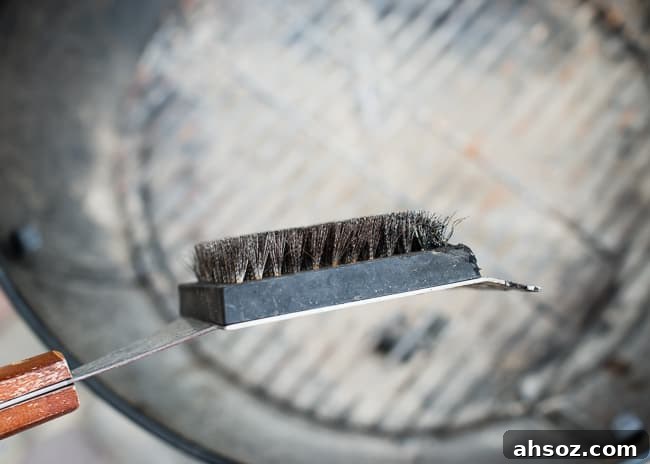
Cleaning the grates after cooking is one of the best habits you can build. When you are finished grilling and the grates are still warm, brush them thoroughly on both sides if possible. Choose a strong grill brush with a long handle so you can work safely while the surface is still hot. The end of the brush can help reach between the grates and remove burnt pieces that collect in narrow spaces. If you do not have a grill brush, a ball of crumpled aluminum foil held with tongs can also work well for scraping the grates clean.
How to clean your grill
For tough, greasy messes that do not come off with a quick brushing, you will need a little extra effort and a few basic household ingredients. Let the grill cool until it is safe to handle. A small amount of leftover warmth is helpful because it softens grease, but the grates should not be so hot that they can burn your hands or damage your cleaning tools.
Step 1
Remove the grill rack or grates from the grill. This gives you better access to both sides and makes it much easier to scrub away burnt-on food, grease, and carbon buildup. Place the grates on a surface that can handle mess, such as a utility sink, large tub, or protected outdoor area.
Step 2
Mix dish soap and baking soda together to form a thick paste. Spread the paste over the dirty areas of the grill rack and let it sit for about 15 minutes. The dish soap helps cut through grease, while the baking soda acts as a gentle abrasive to loosen cooked-on food without needing harsh cleaners. After the paste has had time to work, scrub the grates firmly. Steel wool or another metal scrubber can be useful for especially stubborn spots, depending on the type of grates you have.
Step 3
Rinse the grates well before placing them back on the grill. It is important to remove all soap, baking soda, and loosened grease before cooking again. If you need a convenient place to rinse, a bathtub or large sink can work well because it keeps the greasy runoff contained. Vinegar can also help remove extra grease and leave the grates looking cleaner. Once rinsed, dry the grates as much as possible before returning them to the grill.
If that doesn’t work…
For extremely stubborn burnt-on food, you may need to burn off the residue. Close the lid, heat the grill to a high temperature, and let it run for about 20 to 30 minutes, or until the stuck-on food has burned away. Use caution, because the grill will become very hot during this process. Think of it as similar to the self-cleaning cycle on an oven. After the residue has burned off, allow the grates to cool until they are safe to handle, then scrub and rinse them using the method above.
Cleaning the rest of the grill
The grates are not the only part of the grill that needs attention. Grease, ash, and food debris can collect in the bottom of the grill and create smoke, odors, and possible flare-ups. For a charcoal grill, remove the ashes after each use once they are completely cool, and dispose of them properly. Keeping the ash cleared out also helps airflow, which can make the grill easier to light and maintain during future cooking.
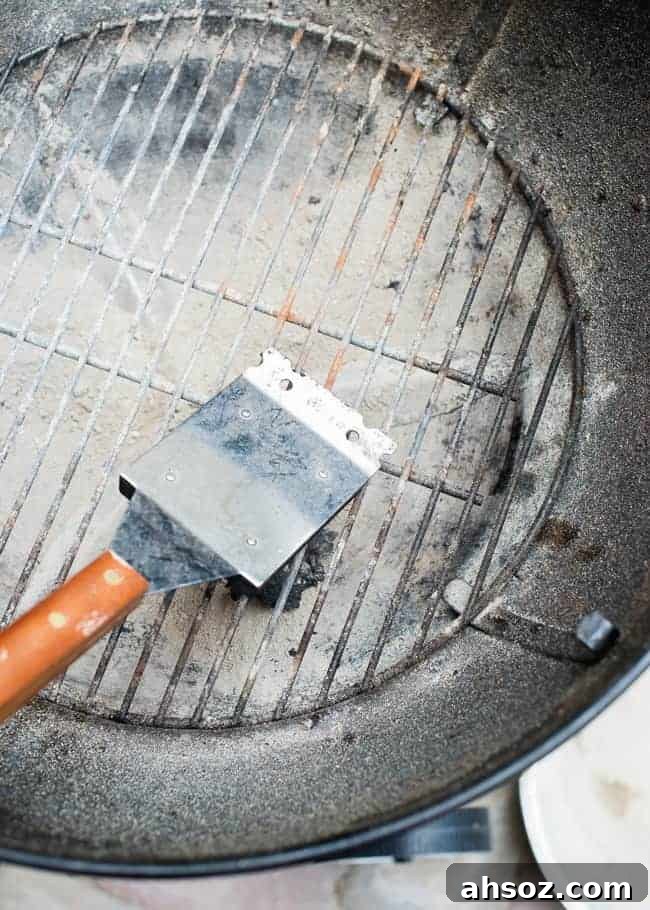 This ash-removal step is not needed for gas grills, but gas grills still require regular cleaning. If food falls through the grates while cooking, remove it after the grill has cooled. Wipe away visible grease and check the areas where drippings collect. Keeping these parts clean helps your grill perform better and makes each cooking session cleaner from the start.
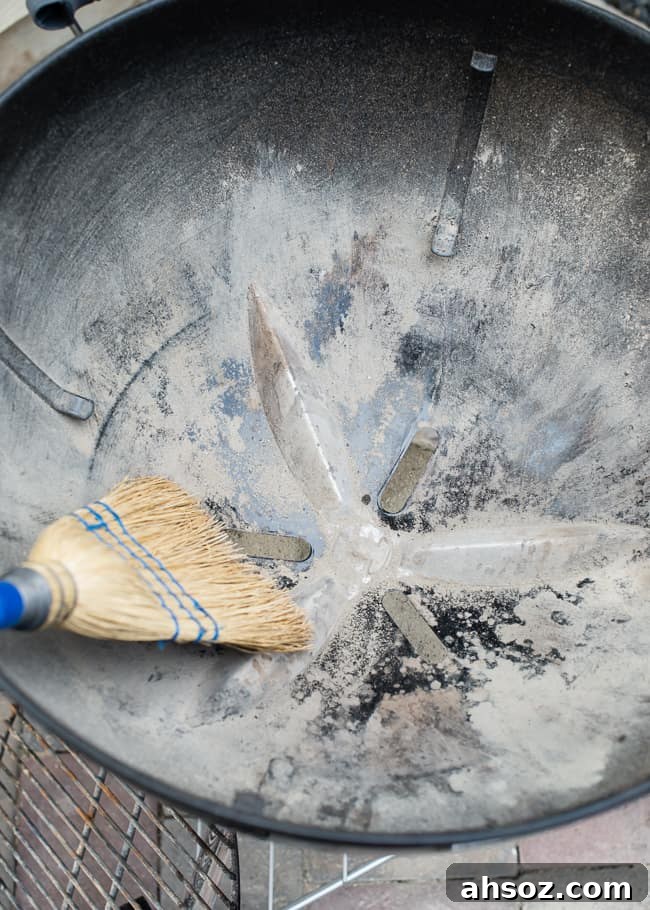 Finally, remember to clean the drip pan beneath the grill. Grease and food drippings can build up quickly, especially during frequent grilling. If they are left too long, they can smoke heavily or even catch fire when the grill heats up. Emptying and cleaning the drip pan regularly is a simple step that makes grilling safer and helps keep your grill in good shape.
With a few minutes of regular maintenance, you can keep your grill clean, reduce flare-ups, and make outdoor cooking more enjoyable. A hot grate, a good brush, and simple cleaners like dish soap, baking soda, and vinegar are usually all you need to clean your grill naturally and keep it ready for the season ahead.