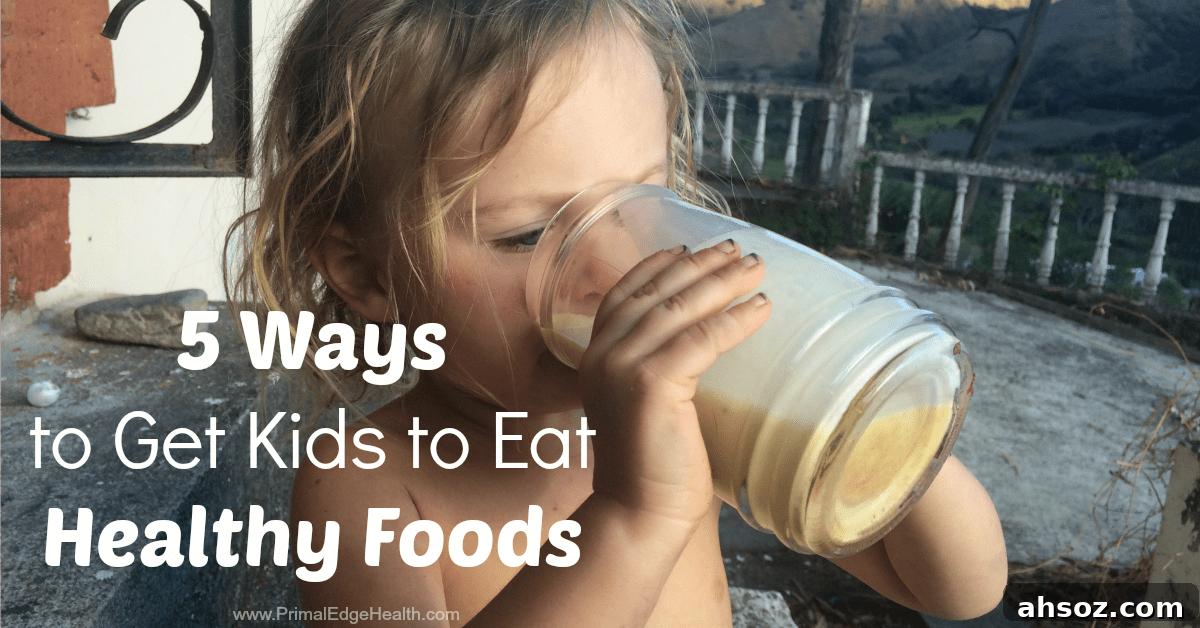
Few things are more satisfying than watching our daughter enjoy nutrient-dense foods and knowing that we are giving her the best nourishment we can provide.
She rarely eats true junk food, fast food, or sugary drinks. Even better, she genuinely enjoys foods many people overlook, such as sauerkraut and offal.
Of course, we hope to keep her eating this way for as long as possible. At the same time, we understand that less nourishing foods will eventually find their way into her life. Our goal is not perfection, but a strong foundation.
With these tips to get kids to eat healthy foods, children can learn to appreciate real food, understand what their bodies need, and build habits that support long-term wellness.
If you are not already working toward better eating habits for your child, it is a worthwhile goal. Make a resolution, create a realistic plan, and approach the process with patience.
Jump To:
Teach kids healthy ways while they are young
First, it is important to identify whether a child has any food allergies or sensitivities. Understanding these issues helps families make safe, confident choices around meals and snacks.
In our home, we try to teach the value of clean, organic, nutrient-dense foods. In simple terms, we focus on real food.
At only three years old, our daughter already has a basic understanding of where food comes from. She knows that food may come from an animal, a tree, a bush, or directly from the ground.
She also seems to understand simple ideas about life cycles. She recognizes young and old, new growth and decay, and the way things eventually decompose and return to the earth.
Playing outdoors, finding insects, watching food spoil, growing a garden, cutting fresh herbs, and using a compost pile have all helped her learn these early lessons in a natural way.
She does not have concerns about eating animal products because we speak about them honestly and respectfully. She enjoys offal, dairy products, and eggs, and she understands that nourishing foods help her grow strong.
She shops with us at local stores and at the meat market. She has seen and touched more animal parts than many adults, which helps remove fear and confusion around food.
We often talk about respecting and appreciating food. In our home, food is treated as nourishment rather than entertainment.
We also discuss the importance of caring for the environment and respecting the living things around us.
Our daughter’s life is closely connected with ours as we explore different dietary choices and question modern eating habits. We are learning together as a family.
Because she has a strong base of healthy foods in her diet, she truly enjoys many nourishing meals. Over time, I have found several helpful techniques for adding even more nutrition to her plate.
Allow your child to help make their food
Along with the tips below, one of the best ways to encourage healthy eating for kids is to let them help prepare their own food.
Create a welcoming kitchen environment where children can safely explore ingredients with their hands. This gives you a natural chance to talk about where food comes from, how it affects the body, and why some foods are especially nourishing.
Hands-on food preparation also supports early learning. Children can explore textures, smells, colors, and flavors while developing fine motor skills and confidence.
Simple keto kitchen essentials are enough for preparing healthy, family-friendly meals at home.
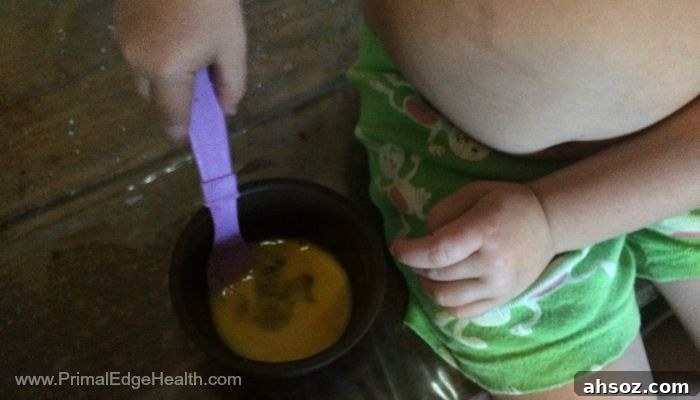
Ways kids can help prepare their food:
- cutting soft foods
- stirring ingredients in bowls or on the stove with supervision
- sprinkling spices and tasting different combinations
- measuring liquids and solids
- turning on and adding food to the blender or food processor with help
- choosing utensils and setting the table
The more children understand their food, the more connected they become to their source of nourishment.
Shopping for local and seasonal foods can also be an educational experience. Children can learn to recognize fresh produce, seasonal ingredients, and the value of supporting local food sources.
Five Ways to Sneak Healthy Foods onto a Kids Plate
If your child is hesitant about certain healthy foods, small changes can make a big difference. These simple methods help make nutrient-dense foods more approachable, flavorful, and fun.
Blend it
Blending is one of the easiest ways to add extra nutrition to smoothies, dips, and purees.
For breakfast or a snack, invite your child to try a Blueberry Avocado Smoothie or a Keto Green Smoothie.

Our daughter enjoys fresh fruit smoothies, especially on hot summer days. We often use fresh, organic local fruit such as berries and papayas with a dairy base of homemade raw milk yogurt, cream, or milk. Aryana’s favorite nutritional herb to add to smoothies is our adaptogenic maca powder.
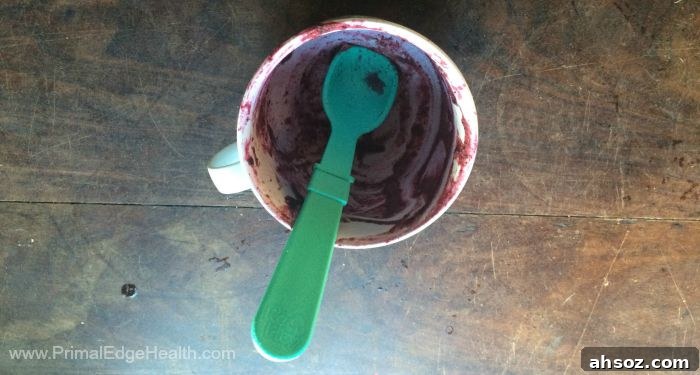
Dips and purees are also useful because many children enjoy exploring different textures. Guacamole and pesto are classic options. Leave out a few vegetables and let your child dip them by hand. I also make purees from broccoli, cauliflower, and squash, then mix in cream, butter, and herbs.
Lately, I have been gently processing steamed broccoli with herbs and butter. I pulse the broccoli a few times until it becomes crumbly, add butter and herbs, and serve it warm. Aryana happily eats it.
Broccoli also blends well into this Savory Muffins Recipe.
Spread it
Spread a thick layer of guacamole, avocado, cream cheese, or butter onto flax crackers, veggie chips, or other kid-friendly foods.
These healthy fats provide fat-soluble vitamins that support healthy development, and they also make simple foods taste rich and satisfying.
Aryana loves our homemade micronutrient flax crackers with a generous pat of butter spread across the top, leaving just enough room for her fingers to hold on.
Melt it
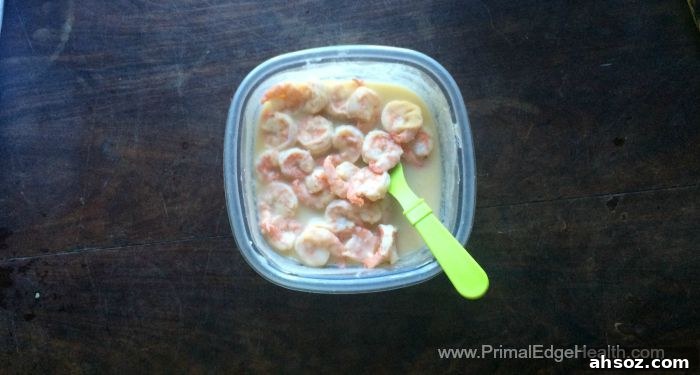
A little melted cheese can go a long way. This is how we first encouraged our daughter to eat mackerel. Melted cheese makes many foods more appealing, and the warm, gooey texture can help children feel more excited about trying something new.
I also add generous spoonfuls of butter to hot foods such as steamed vegetables, roasted vegetables, meats, and broths. Melted butter adds flavor, moisture, and richness, which can make nourishing foods easier for children to enjoy.
Negotiate it
Sometimes gentle negotiation helps. If melted cheese does not do the trick, I may offer a small piece of cheese after Aryana eats the food already on her plate. Simple phrases like “first let’s have this,” “just finish half,” or “this will help you grow strong” can be enough encouragement.
Negotiation can be helpful, but I try not to push too hard. If she is truly full or strongly dislikes a food at that moment, I do my best to respect her boundaries. Children need guidance, but they also need space to listen to their bodies.
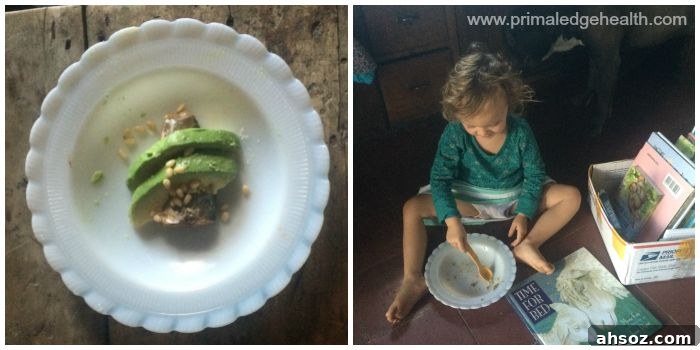
Pine nuts are a rare and special treat we keep tucked away in the fridge. I use them during times when I want to encourage a little extra nutrition. For example, I might say, “I’ll trade you a bite of this for a pine nut,” or I may simply sprinkle a few pine nuts over her food and mix them in.
Here is the last of my tips to get kids to eat healthy foods.
Excite it
Excite the tongue with new flavors and textures. Sometimes a fresh taste is enough to encourage a young child to finish what is on the plate.

In general, I introduce one or two new spices at a time so I can see how Aryana responds without overwhelming her palate. She consistently enjoys fermented foods, so we share sauerkraut, lacto-fermented vegetable sticks, and probiotic teas together.
We add many anti-inflammatory spices to our meals. Dulse is another fun flavor I occasionally mix into her food. This seaweed adds a salty, slightly funky taste. If a dish turns out too bitter, I may use mesquite or lucuma to gently sweeten it.
Helping children eat healthy foods takes time, consistency, and creativity. Be patient with yourself, stay flexible, and continue to pursue self-awareness as your family builds better eating habits together.