Book bans in America have changed significantly in recent years. Instead of challenges aimed only at single titles, entire school districts and library systems have increasingly faced pressure to remove groups of books from shelves. According to the American Library Association (ALA), there were 1,269 demands to restrict or ban books in 2022, the highest number the organization had recorded in more than 20 years of tracking library censorship.
Many of these challenges focus on books about LGBTQ+ experiences, race, gender identity, sexual content, violence, mental health, and other difficult subjects. For readers, educators, parents, and book lovers, understanding why these books are targeted is important. Banned books often give voice to people and experiences that have historically been ignored, misunderstood, or silenced.
This article looks at 15 of the most banned books across America, why they have been challenged, and why they continue to matter. From graphic novels and memoirs to young adult fiction and classic literature, these books reveal the ongoing debate over censorship, education, representation, and the freedom to read.
Gender Queer by Maia Kobabe
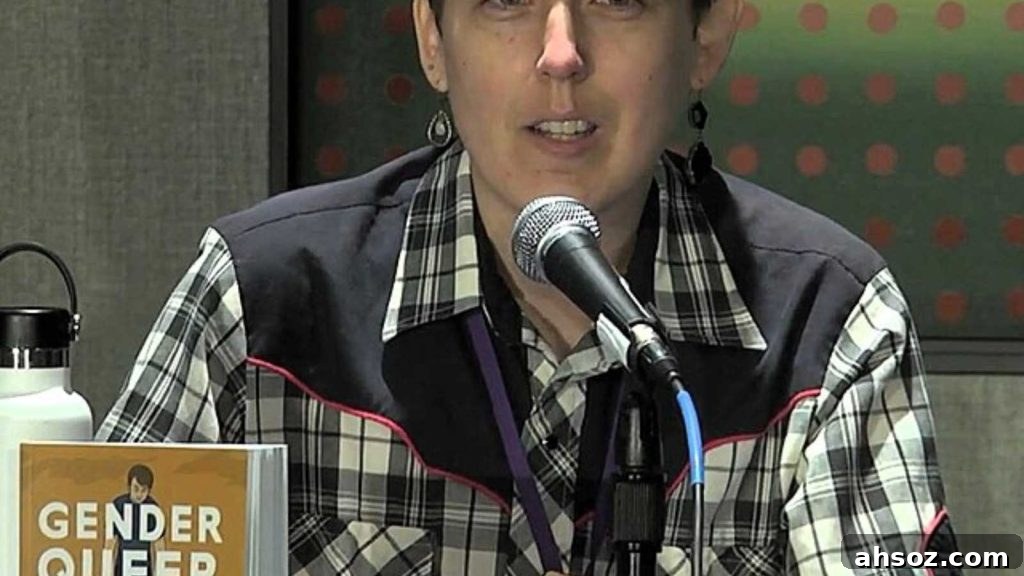
Why It’s Banned: Gender Queer, an autobiographical graphic novel, has been challenged for its frank depiction of sexual behavior and its discussions of gender identity. Critics often argue that the book is too explicit for young readers.
Significance: Maia Kobabe’s work offers an honest look at what it can mean to be nonbinary. Supporters value the book for helping readers better understand gender identity, self-discovery, and the language people use to describe their lives.
All Boys Aren’t Blue by George M. Johnson
Why It’s Banned: This coming-of-age memoir is frequently challenged because of its LGBTQ+ themes, sexual content, and explicit language. Some critics say it is unsuitable for school libraries. During the 2021-22 school year, PEN America ranked it second among the most frequently banned books.
Significance: George M. Johnson’s essays explore growing up Black and queer in America. The book has become an important part of conversations about identity, family, representation, and inclusion in young adult literature.
The Bluest Eye by Toni Morrison
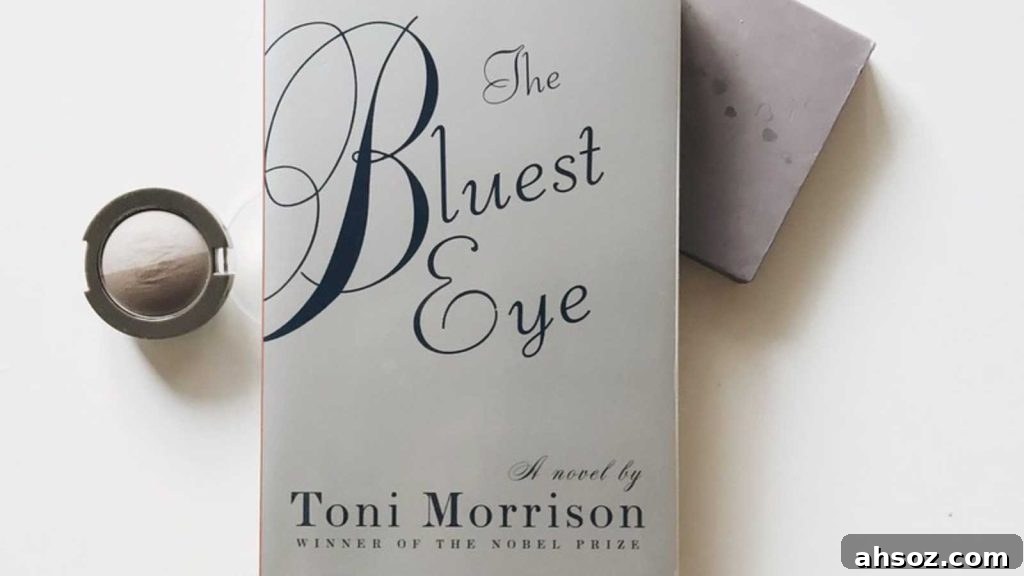
Why It’s Banned: The Bluest Eye is often challenged for its portrayal of child abuse, sexual violence, racism, and painful beauty standards.
Significance: First published in 1970, Toni Morrison’s novel remains a powerful examination of racism and the damage caused by narrow, white-centered ideas of beauty. It gives readers a deeper understanding of how social systems affect the lives and self-image of Black girls.
The Hate U Give by Angie Thomas
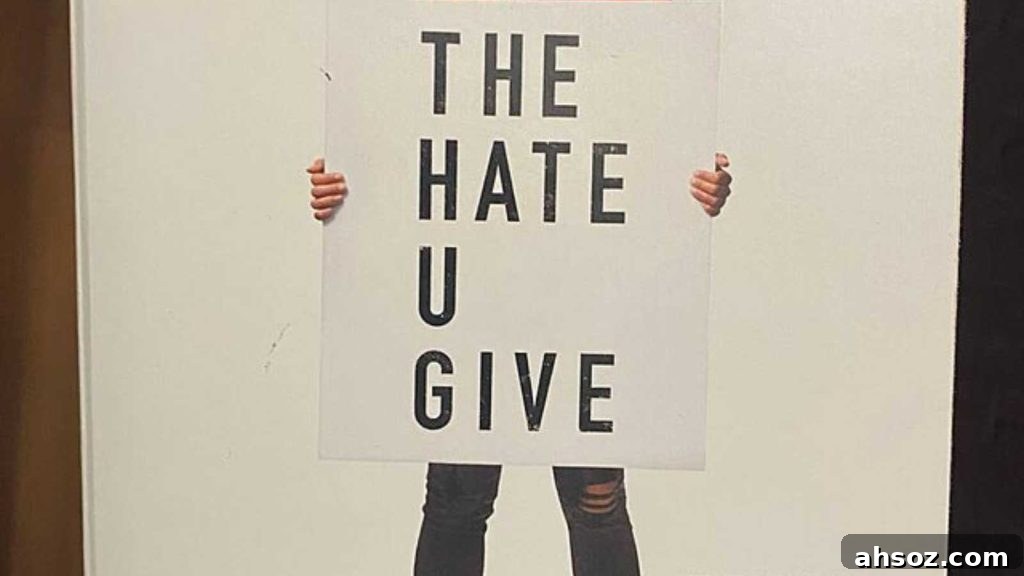
Why It’s Banned: The Hate U Give is commonly challenged for profanity, its portrayal of police brutality, and what some critics view as anti-police themes.
Significance: Inspired by the Black Lives Matter movement, Angie Thomas’s bestselling novel addresses racial injustice, grief, activism, and the pressure placed on young people to speak out. Its film adaptation further increased its cultural impact.
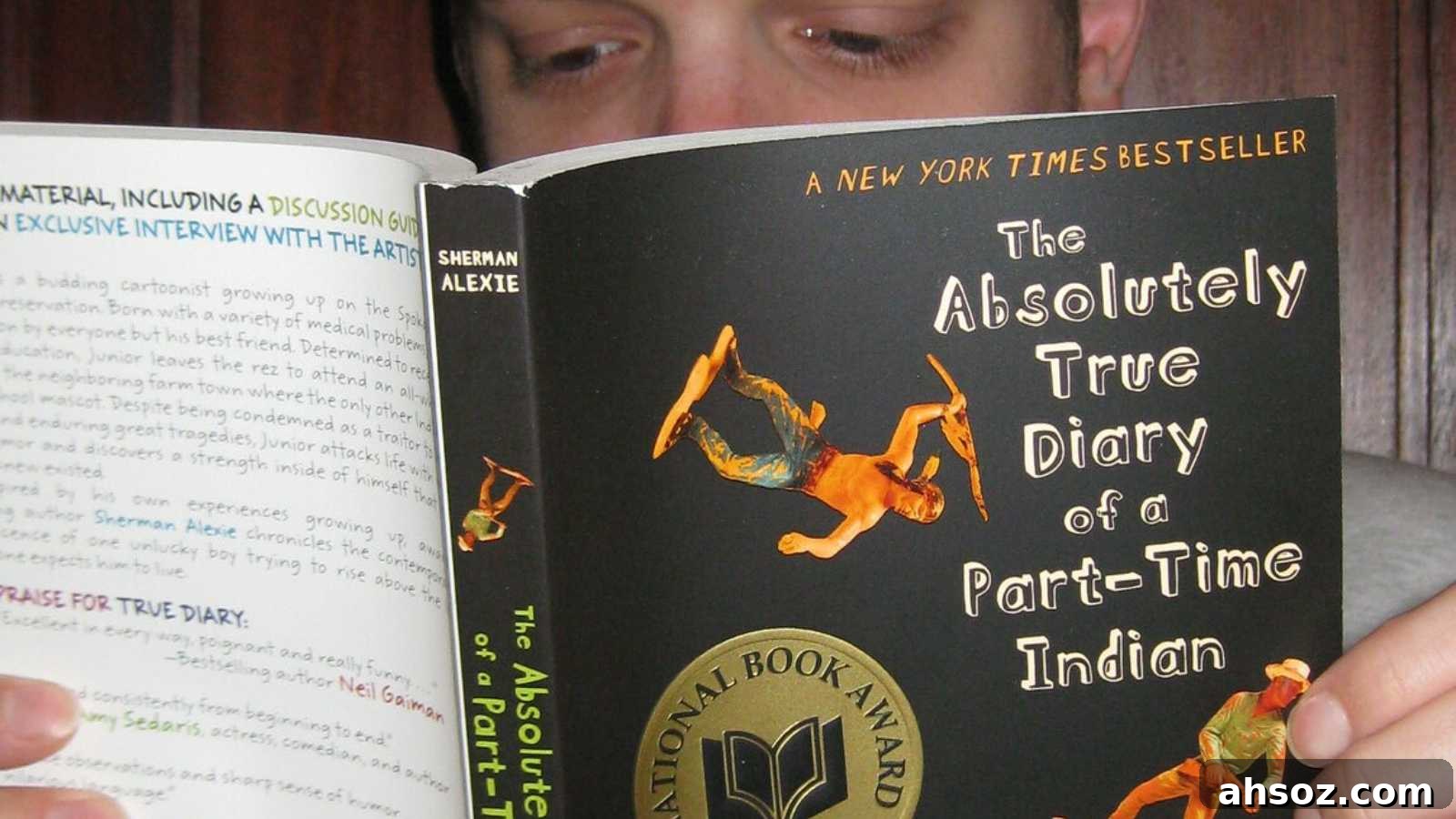
The Absolutely True Diary of a Part-Time Indian by Sherman Alexie
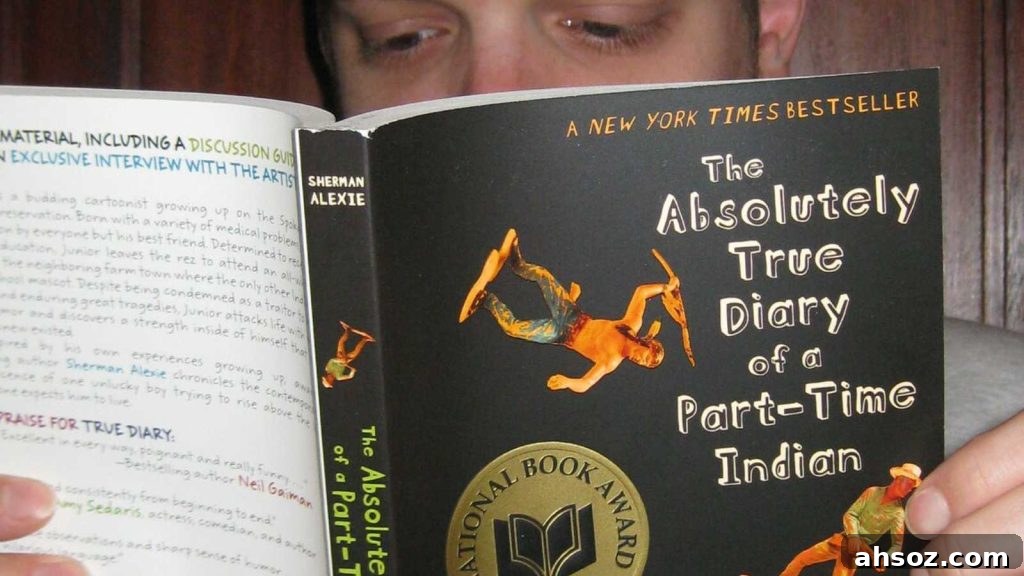
Why It’s Banned: This semi-autobiographical novel has been challenged for sexual references, profanity, and its treatment of race, poverty, and identity.
Significance: Sherman Alexie’s book offers a funny, painful, and memorable portrait of life on a Native American reservation. It also explores ambition, belonging, hardship, and the desire to build a different future.
Lawn Boy by Jonathan Evison
Why It’s Banned: Lawn Boy has faced bans and challenges because of profanity and sexually explicit scenes. Critics have argued that the novel is inappropriate for younger audiences. It was also one of five LGBTQIA+ titles challenged by a parent in the North Hunterdon-Voorhees Regional High School District in New Jersey.
Significance: This coming-of-age story follows a young biracial gay man as he navigates class, work, identity, and self-worth. The novel challenges stereotypes while presenting a personal view of economic struggle.
Out of Darkness by Ashley Hope Pérez
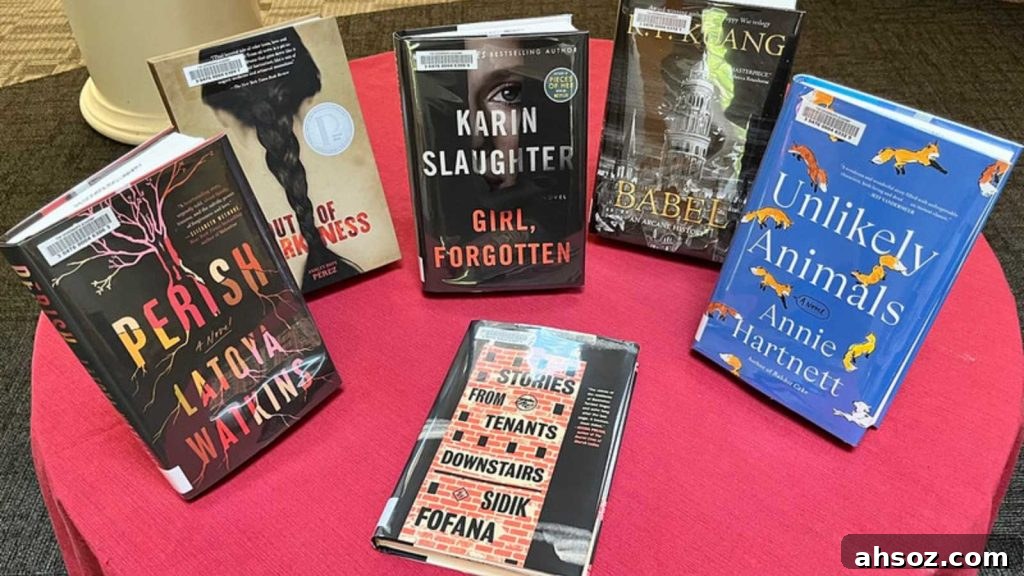
Why It’s Banned: Out of Darkness has been challenged for its depictions of sexual content and abuse. The novel was published in 2015 and remained largely untouched by bans for several years. During the surge in book challenges that began in 2021, it became a frequent target. Ashley Hope Pérez noted that the book had been banned in “at least 29 school districts nationwide” by December 2022.
Significance: Set against the backdrop of a historical tragedy, Out of Darkness explores love, racism, violence, and loss. Its difficult subject matter is part of what makes the novel a powerful discussion point in classrooms and reading groups.
The Perks of Being a Wallflower by Stephen Chbosky
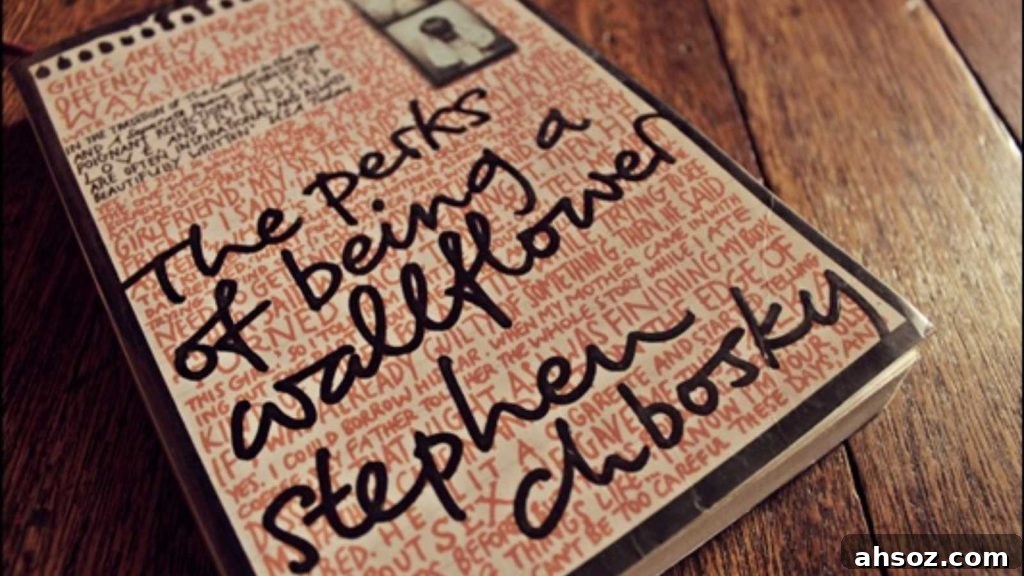
Why It’s Banned: This novel is often challenged for drug use, sexual content, profanity, and abuse. In 2003, Parents Against Bad Books in Fairfax, Virginia, objected to the book, and the following year the Liberty Patrons of Texas challenged it in Texas using similar arguments.
Significance: The Perks of Being a Wallflower continues to resonate with teen readers because it addresses loneliness, friendship, trauma, mental health, and the complexity of adolescence with emotional honesty.
This Book is Gay by Juno Dawson
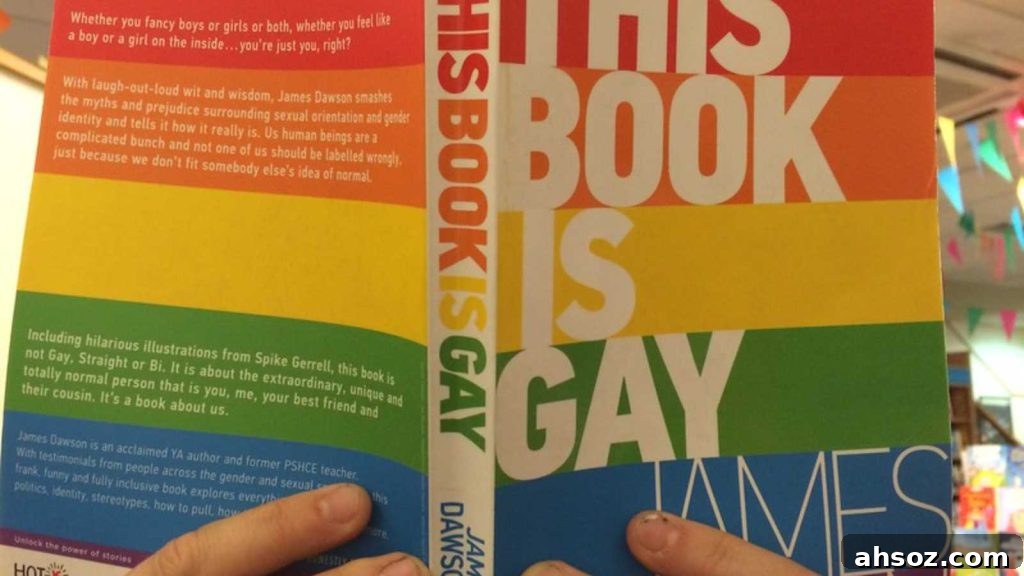
Why It’s Banned: This Book is Gay is frequently challenged because it includes LGBTQ+ topics and sex education content that some critics consider explicit.
Significance: Written for young adults, Juno Dawson’s guide offers information, reassurance, and practical support for LGBTQ+ teens. For many readers, it fills gaps left by limited or incomplete sex education.
Beyond Magenta by Susan Kuklin
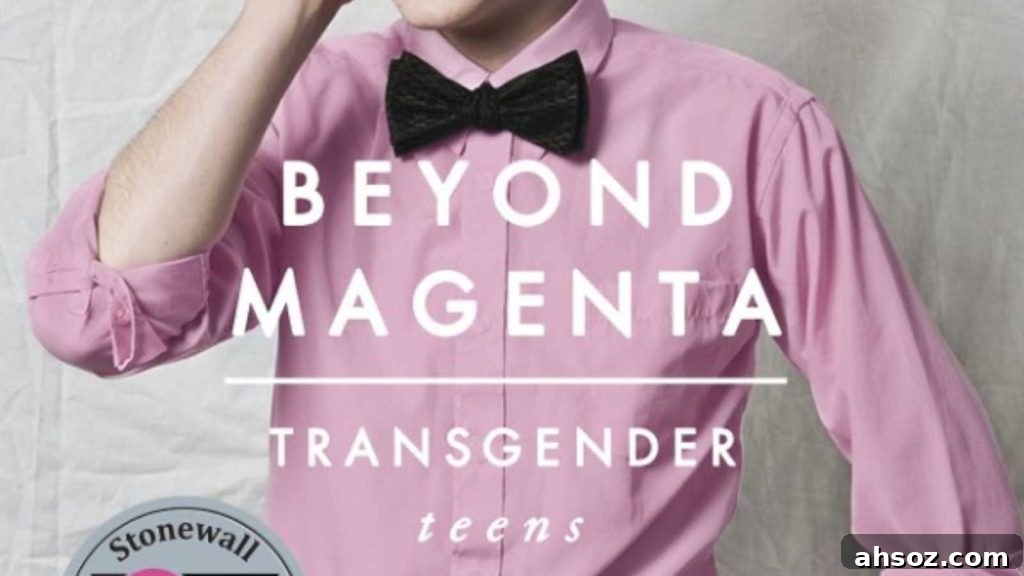
Why It’s Banned: Beyond Magenta, a nonfiction book built around interviews with transgender teens, is often challenged for explicit content. In 2015, it ranked as the fourth most banned book in the United States due to objections involving offensive language, homosexuality, and sex education.
Significance: Susan Kuklin’s book presents firsthand accounts from transgender young people. These personal stories help humanize transgender experiences and encourage empathy, awareness, and understanding.
Looking for Alaska by John Green
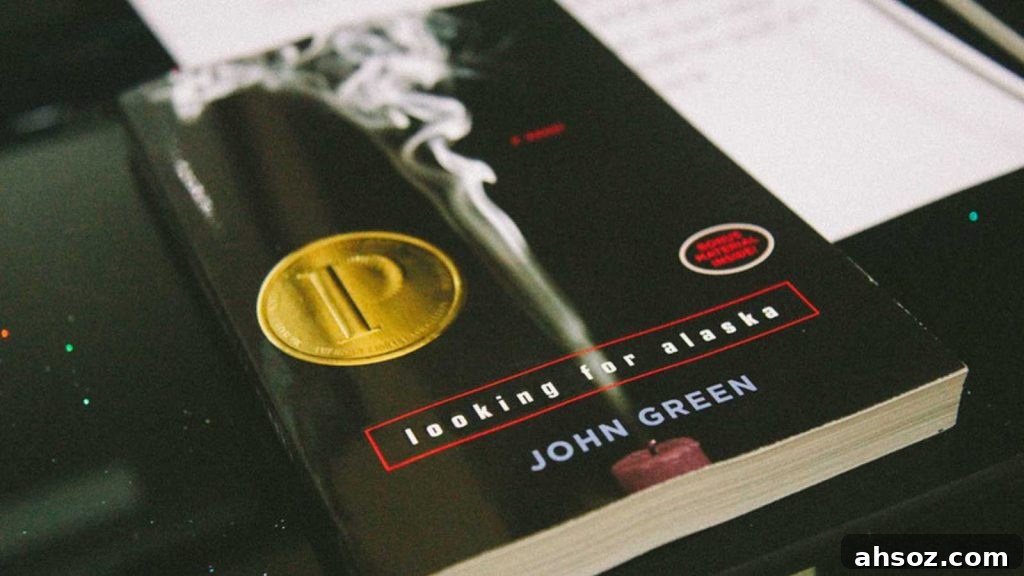
Why It’s Banned: Looking for Alaska is commonly challenged for sexual content, profanity, and claims that it encourages inappropriate behavior.
Significance: John Green’s novel explores grief, love, friendship, identity, and the search for meaning. Its themes often connect strongly with teen readers who are beginning to ask difficult questions about life and loss.
Thirteen Reasons Why by Jay Asher
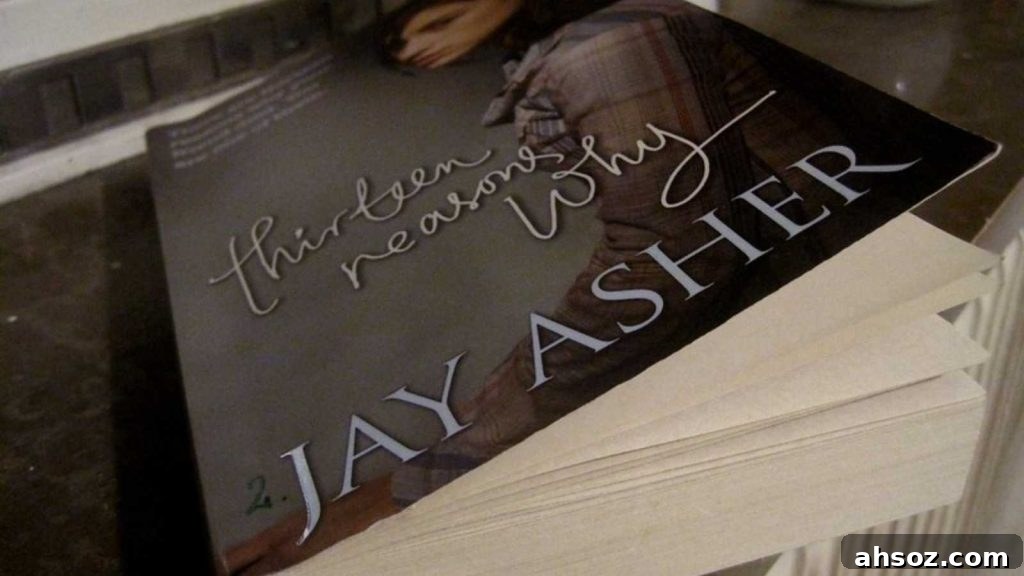
Why It’s Banned: Thirteen Reasons Why is often challenged for its portrayal of suicide, sexual assault, bullying, and mental health struggles. In an interview with PBS, author Jay Asher said the ban on “13 Reasons Why” reflected society’s discomfort with confronting difficult but important subjects.
He also suggested that challenging the book could discourage teenagers from speaking openly with adults about serious problems.
Significance: Despite controversy over its depiction of suicide, Thirteen Reasons Why has prompted conversations about mental health, bullying, isolation, and the need for young people to feel heard and supported.
The Kite Runner by Khaled Hosseini
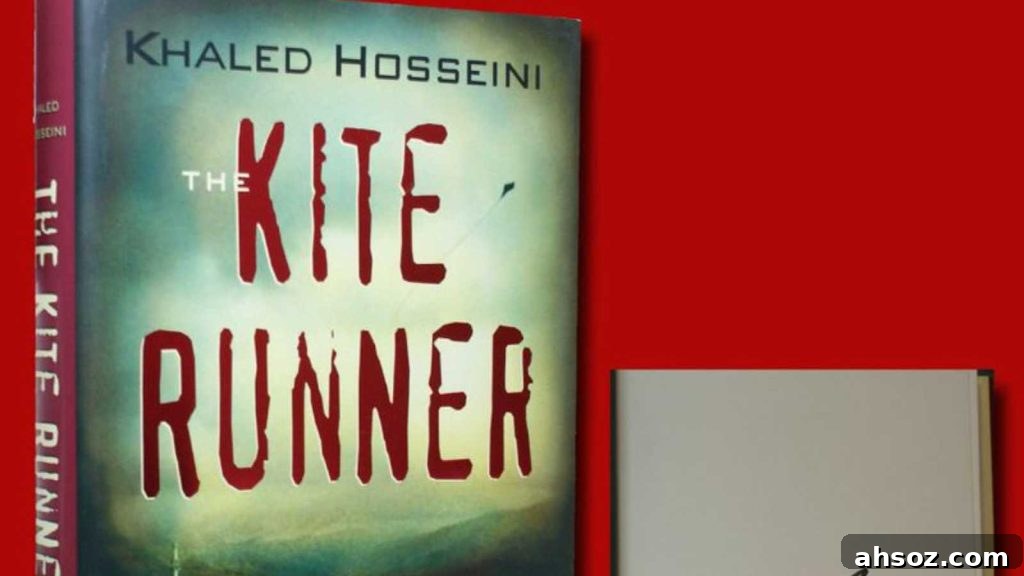
Why It’s Banned: The Kite Runner is often challenged for depictions of sexual violence and its emotionally intense themes of guilt, trauma, betrayal, and redemption.
Significance: Set in Afghanistan, Khaled Hosseini’s novel offers readers a moving story shaped by friendship, family, history, and cultural conflict. It also brings attention to perspectives that are sometimes overlooked in Western literature.
Maus by Art Spiegelman
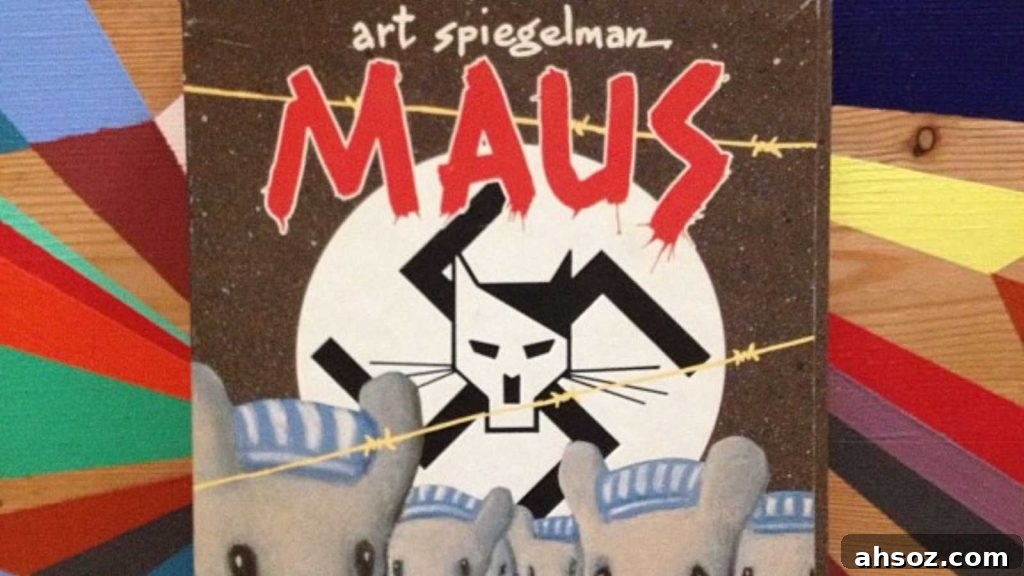
Why It’s Banned: Maus, a Pulitzer Prize-winning graphic novel, has been banned or challenged because of violence, disturbing images, and its portrayal of Holocaust-related trauma.
Significance: Art Spiegelman uses the graphic novel form to tell a deeply personal and educational Holocaust story. The book’s format makes a difficult history accessible while preserving its emotional weight.
To Kill a Mockingbird by Harper Lee
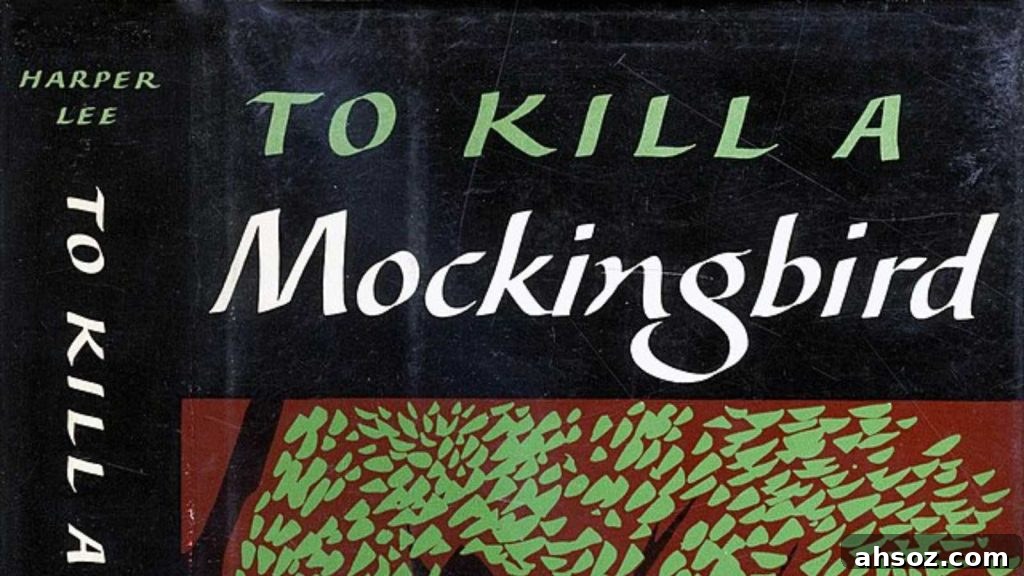
Why It’s Banned: To Kill a Mockingbird is frequently challenged for racial slurs, racist language, and its depiction of racial injustice.
Significance: Harper Lee’s classic novel remains central to discussions about racism, moral courage, justice, and civil rights. It continues to be taught and debated because of the difficult questions it raises.
Book bans are often driven by a desire to protect young readers from uncomfortable or complex topics. Yet many of the most banned books in America offer valuable opportunities to build empathy, encourage critical thinking, and understand experiences beyond one’s own. These stories do not simply provoke controversy; they also help readers engage with history, identity, injustice, trauma, and resilience.
Reading banned books is one way to support intellectual freedom and defend access to diverse ideas. By learning why these books are challenged and why they matter, readers can better appreciate the voices that enrich literature and society. The freedom to read remains essential, and these books continue to show why that freedom is worth protecting.