This sourdough glossary explains common sourdough bread making terms so you can follow recipes with more confidence and understand each stage of the process.
Add-ins
Add-ins are non-essential ingredients mixed into sourdough bread dough for flavor, texture, color, or added nutrition. Common examples include seeds, nuts, dried fruit, olives, herbs, cheese, or cooked grains. They are usually added after the dough has developed some strength so they can be distributed evenly without tearing the gluten structure.
Autolyse
Autolyse is a rest period that takes place after flour and water are mixed together, and sometimes after the sourdough starter has been added. It usually lasts about 30 to 45 minutes before salt and other ingredients are incorporated. This rest allows the flour to absorb water fully and begins gluten development naturally, making the dough easier to stretch, fold, and shape.
Baker’s Percentage
Baker’s percentage is a method used to express bread formulas by weight. In this system, the total flour weight is always considered 100%, and every other ingredient is calculated as a percentage of that flour weight. This makes sourdough recipes easier to scale up or down and helps bakers compare hydration, salt levels, and starter amounts between different formulas.
Banneton
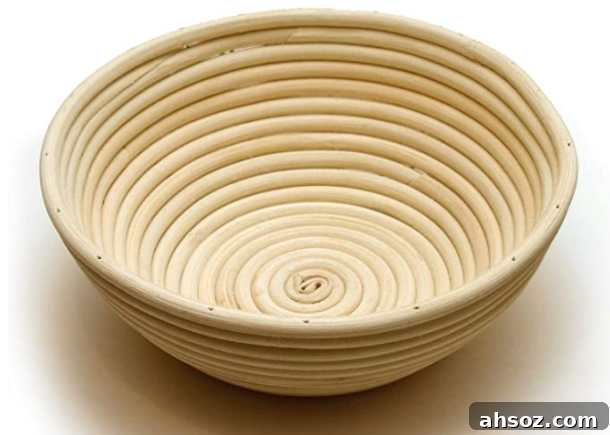
A banneton is a French-style proofing basket, usually made from rattan or a similar material, used to support and shape a loaf during its final rise. It helps the dough hold its form and can leave an attractive pattern on the crust. Once the loaf is fully proofed, it is turned out of the banneton onto parchment, a baking pan, or a hot baking stone before baking.
Biga
Biga is an Italian term for a type of pre-ferment. It is typically made with flour, water, and a small amount of yeast, often at a lower hydration than other pre-ferments. In sourdough baking, the term may be used to describe a firm pre-ferment that adds flavor, strength, and complexity to the final loaf.
Bulk Fermentation (first rise)
Bulk fermentation is the first major rise after all the dough ingredients have been mixed. During this stage, the dough ferments as one large mass before it is divided and shaped. Yeasts and bacteria become active, producing gases, organic acids, and flavor compounds. This stage is essential for developing sourdough flavor, dough strength, and the final texture of the bread.
Crumb
Crumb refers to the interior texture and appearance of bread once it has been baked and sliced. A loaf may have an open crumb, with large and irregular holes, or a closed crumb, with a finer and more even texture. Crumb structure is influenced by hydration, fermentation, shaping, flour choice, and baking technique.
Discard
Discard is the portion of sourdough starter removed before feeding. This routine helps control the starter’s size and refreshes the balance of flour, water, yeast, and bacteria. Although it is called discard, it does not always have to be thrown away. Sourdough discard can be used in recipes such as pancakes, crepes, crackers, cakes, and other baked goods.
Ear
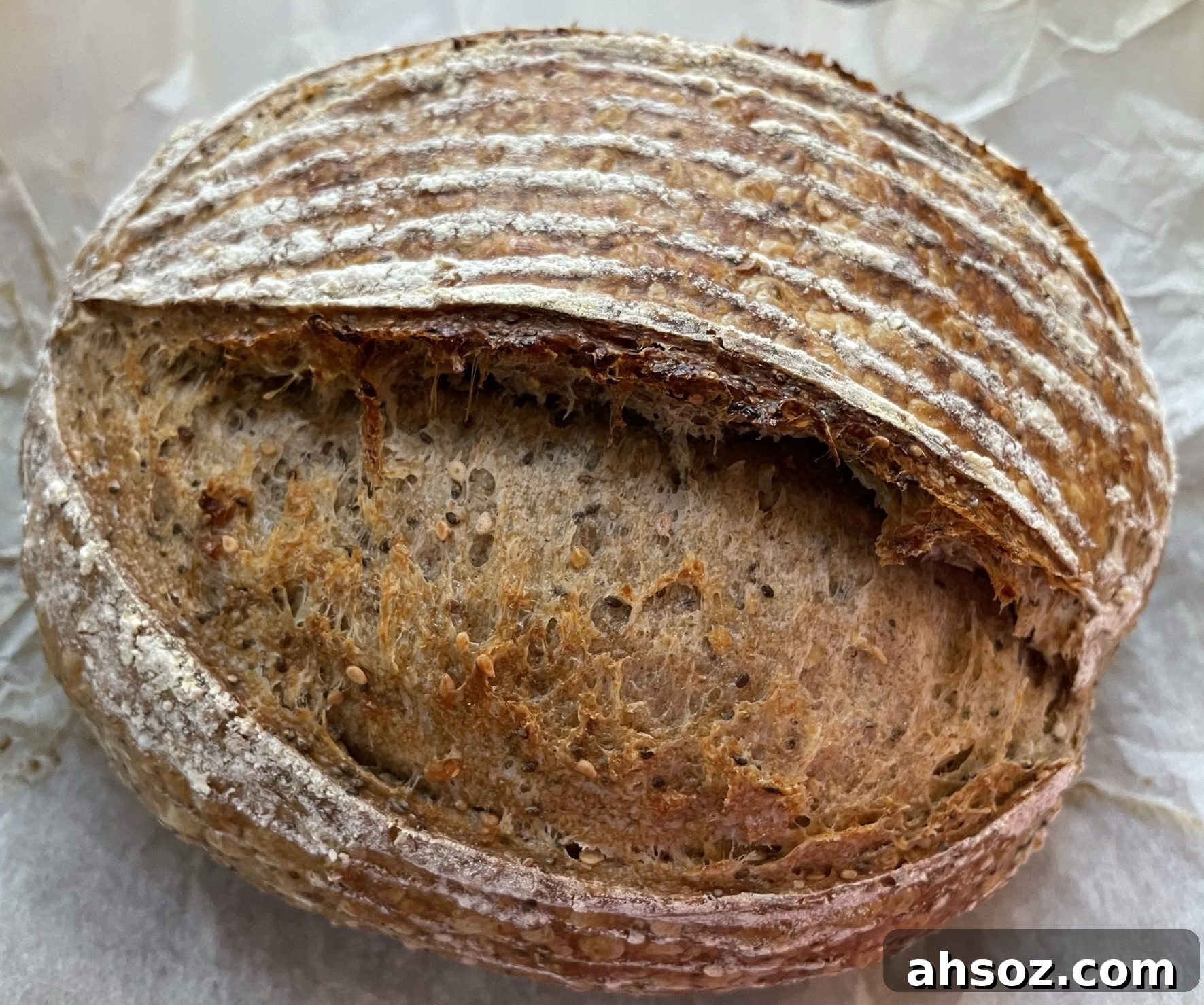
The ear is the raised flap of crust that forms along a scored cut as the loaf expands in the oven. A well-developed ear is often a sign of good shaping, proper fermentation, effective scoring, and strong oven spring. It also gives artisan sourdough bread its classic rustic appearance.
Feeding
Feeding means adding fresh flour and water to a portion of sourdough starter. This provides food for the wild yeast and beneficial bacteria, helping the starter stay active, balanced, and ready for baking. A regular feeding routine is important for maintaining a healthy starter.
Fermentation
Fermentation is the process in which yeast consumes sugars from the flour and produces carbon dioxide and alcohol. At the same time, beneficial bacteria produce organic acids that contribute to sourdough’s flavor, aroma, and keeping quality. Fermentation affects the rise, structure, taste, and digestibility of sourdough bread.
Gluten
Gluten is the network of proteins formed when wheat flour is combined with water. It gives bread dough elasticity, strength, and the ability to trap gas during fermentation. Proper gluten development helps sourdough rise well and gives the baked loaf a satisfying texture.
Hydration percentage
Hydration percentage describes the ratio of water to flour in a dough, expressed as a percentage. For example, a dough with equal weights of flour and water has 100% hydration. Higher hydration doughs are usually wetter, softer, and may create a more open crumb, while lower hydration doughs are firmer and easier to handle.
Lame
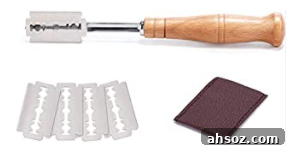
A lame is a small razor-blade tool used to score bread just before baking. It allows the baker to make controlled cuts in the surface of the dough, guiding expansion in the oven and helping create a more attractive loaf.
Levain
Levain is a French term for a pre-ferment made from a portion of sourdough starter mixed with fresh flour and water. It is usually prepared before mixing the final dough and is used to leaven and flavor the bread.
Maintain
To maintain a sourdough starter means to keep it healthy through regular feeding, proper storage, and observation. Maintenance routines vary depending on how often the starter is used and whether it is kept at room temperature or in the refrigerator.
Oven spring
Oven spring is the rapid rise that happens when bread first enters the hot oven. Heat causes gases inside the dough to expand, and active yeast may continue producing carbon dioxide for a short time. Good oven spring depends on proper fermentation, shaping, scoring, and sufficient steam during the early part of baking.
Poolish
Poolish is a wet pre-ferment made with equal parts flour and water by weight, giving it 100% hydration. It also includes a small amount of yeast. Poolish is commonly used to improve flavor, aroma, and texture in bread dough.
Pre-ferments or Levain
A pre-ferment is a mixture of flour, water, and a leavening culture that is allowed to ferment before being added to the final dough. In sourdough baking, a levain is a common type of pre-ferment. Pre-ferments help build flavor, improve dough performance, and support a more complex finished loaf.
Proof
Proofing is the final rise of shaped dough before baking. During this stage, the dough continues to ferment and expand. If dough is underproofed, it may be dense or tear unpredictably in the oven. If it is overproofed, it may collapse or fail to achieve good oven spring. Proper proofing helps create balanced volume, texture, and crust.
Ripe
A ripe starter or levain is mature and ready to use in baking. It is often bubbly, increased in volume, and has a fresh, clean, mildly acidic aroma. A ripe starter should show clear signs of activity and strength before it is mixed into bread dough.
Score
Scoring means making cuts on the surface of a proofed loaf immediately before baking. These cuts control how the bread expands in the oven, help prevent random bursting, and contribute to the final appearance of the loaf. Scoring can be simple and functional or decorative.
Shaping
Shaping is the process of forming fermented dough into its final loaf shape before proofing. Good shaping creates surface tension, supports structure, and helps the dough rise upward rather than spreading outward. The method used depends on the style of bread, such as a boule, batard, or sandwich loaf.
Stretch and Fold the dough
Stretch and fold is a hand technique used to strengthen dough during bulk fermentation. The dough is gently stretched and folded over itself, then allowed to rest before the process is repeated. This method helps develop gluten, redistribute yeast and bacteria, and improve dough structure without intensive kneading.
Sourdough Starter
A sourdough starter is a living culture of wild yeast and beneficial bacteria maintained with flour and water. When properly cared for, it can leaven bread naturally and give sourdough its distinctive flavor and aroma. The starter is often considered the mother culture from which levains and other pre-ferments are made.
Pate fermentee
Pate fermentee is a French term meaning fermented dough. It refers to a piece of dough saved from a previous batch or prepared in advance and used as a pre-ferment. It can contribute flavor, maturity, and improved dough characteristics to bread.
Sponge
Sponge is another term for a pre-ferment. It is typically a mixture of flour, water, and a leavening agent that ferments before being added to the final dough. A sponge can improve flavor, texture, and overall bread quality.
Wild yeast
Wild yeast refers to naturally occurring yeast found in the environment, including on grains, in flour, and in the air. These single-celled organisms feed on carbohydrates and release carbon dioxide, helping sourdough bread rise. In a healthy starter, wild yeast works together with beneficial bacteria to create the flavor and structure associated with sourdough baking.