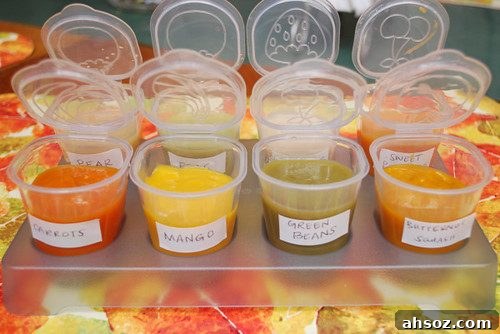
Homemade Baby Food Purees with Fruits and Vegetables
My son is going to be in for a real treat when he is ready to begin solids in the next month or two. Until that time comes, I have been enjoying the process of experimenting with simple vegetable and fruit purees and finding ways to use them in everyday family meals. Homemade baby food does not have to be complicated, and a smooth puree made from fresh produce can be useful for babies, toddlers, and even older children.
For the recent Pee Wee Puree Party I hosted, a few friends and I prepared several easy baby food purees using wholesome fruits and vegetables. Some were made with naturally sweet ingredients, while others focused on mild vegetables that are often used as first foods. These purees are excellent on their own for babies who are ready for solids, and they can also be stirred into familiar recipes when you want to add a little extra goodness to a meal.
When I started researching homemade baby food and fruit and vegetable purees, I was happy to discover many helpful resources. A few of the books I received during my baby showers offered simple ideas, practical cooking methods, and inspiration for making baby food at home.
Purees are not just for babies. After looking through my cookbook collection, I was glad to find another book that focuses on using pureed fruits and vegetables in everyday cooking. A basic puree can be mixed into sauces, soups, baked goods, pancakes, oatmeal, and many other family-friendly dishes. It is a simple way to make meals smoother, naturally colorful, and more appealing to young children.
Helpful Baby Food Resources
In addition to books, there are many websites dedicated to homemade baby food, baby puree recipes, and simple feeding ideas. These were some of the resources I found useful while learning more about preparing baby food at home:
Easy Homemade Baby Puree Recipes
Below are the fruit and vegetable puree recipes we prepared. They are simple, straightforward, and made with basic ingredients. For younger babies, always puree until very smooth and thin with water, cooking liquid, breast milk, or formula as needed. Serve purees lukewarm, and freeze any extra portions in an ice cube tray or small containers for later use.
Carrot Puree
Ingredients:
1 pound baby carrots
Place the carrots in a steamer basket set over boiling water and cook for 15 to 20 minutes, or until very tender. You can also place the carrots in a saucepan and add just enough boiling water to cover them. Cover with a lid and simmer for 15 to 20 minutes, until soft.
Drain the carrots and transfer them to a blender or food processor. Add a little water from the steamer or some of the cooking liquid, then puree until completely smooth. The amount of liquid needed will depend on the consistency your baby can manage, so add more liquid gradually if the puree seems too thick.
Spoon a portion into your baby’s bowl and serve lukewarm. Freeze the remaining carrot puree in an ice cube tray or small plastic containers.
Green Bean Puree
Ingredients:
1 pound fresh green beans
Place the green beans in a steamer basket set over boiling water and cook for 15 to 20 minutes, until tender. Alternatively, place the green beans in a saucepan, add just enough boiling water to cover, cover with a lid, and simmer for 15 to 20 minutes, until soft.
Drain the green beans and transfer them to a blender. Add a small amount of water from the steamer or cooking liquid, then puree until very smooth. Add additional liquid as needed to reach a soft, easy-to-swallow texture. Serve lukewarm and freeze the extra puree in an ice cube tray or small containers.
Sweet Potato Puree
Ingredients:
1 large sweet potato
Wash the sweet potato and poke a few holes in it with a fork. Wrap it in foil without peeling it. Place it in a 400 degree oven and bake for 30 to 60 minutes, or until soft. Once cooled, slit the sweet potato lengthwise and scoop out the flesh. Puree with a little water, cooking liquid, breast milk, or formula until smooth.
You can also peel the sweet potato and cut it into small chunks. Place the chunks in a pan with just enough water to slightly cover them. Simmer until tender, checking the water level as needed. Reserve any remaining cooking water to thin the puree if desired.
Sweet Pea Puree
Ingredients:
2 cups peas, fresh or frozen
Pour water into a saucepan to a depth of about 1 inch. Place the peas in a steamer basket and set the basket inside the saucepan. Bring the water to a boil over high heat. Cover and steam until the peas are bright green and tender enough to mash easily with a fork, about 5 minutes for fresh or frozen peas, or about 3 minutes for thawed frozen peas.
Remove from the heat and lift the steamer basket from the saucepan, reserving the cooking liquid. Rinse the peas under cold running water to stop the cooking. Transfer the peas to a food processor or blender and puree until smooth. Add enough reserved cooking liquid, breast milk, or formula to thin the puree to a texture your baby can handle. This recipe makes about 1 1/2 cups of puree.
Butternut Squash Puree
Ingredients:
1 acorn squash or butternut squash
Cut the acorn or butternut squash in half and scoop out the seeds. Place the halves face down in a baking dish and add about 1 inch of water.
Bake in a 400 degree oven for 40 minutes to 1 hour, or until the skin puckers and the squash feels soft. Scoop the cooked squash flesh from the shell and place it in a blender or food processor. Puree until smooth, adding water as needed to create a thin, soft consistency.
Mango Puree
Ingredients:
1 ripe mango
Peel the mango, remove the seed, and mash the fruit until smooth. Add a little water as needed until the puree reaches the right consistency for your baby.
Pear Puree
Ingredients:
1 ripe pear
Peel the pear, remove the seeds, and mash until smooth. Add water as needed to thin the puree to the consistency your baby can manage.
Banana Puree
Ingredients:
1 ripe banana
Water, formula, or breast milk as needed
Peel the ripe banana and cut it into small pieces. Mash it well with a fork until smooth. Bananas are naturally soft and usually do not need to be cooked or blended. Depending on your baby’s age and stage, you may not need to add any liquid. If you prefer a thinner texture, add a small amount of water, formula, or breast milk. You can also puree the banana in a food processor or blender if desired.